Contact Us
Changsha Hone Arts Co.,Ltd
TEL: +86-731-84886102
WhatApp:13975166561
E-mail: marketing5@hnarts.com
Address :RM 8033 FL 8 Tower B Wan Fu Hui Mansion 9 Shuang Yong RD PC 410003 Changsha China


When it comes to choosing non-woven fabrics for packaging, crafts, daily use or industrial applications, focusing on the right material is the key to avoiding waste and ensuring practicality. This guide will focus on three commonly used materials—PP Non-Woven Fabric, Color Felt—breaking down their characteristics, advantages, and ideal uses, so you can choose the most suitable one at a glance.
As the most widely used non-woven fabric, PP (Polypropylene) is favored for its balanced performance and affordable price, making it the first choice for most daily and commercial scenarios.
Key Characteristics: Lightweight but durable, water-resistant, easy to print on, and has good tensile strength. It is non-toxic, odorless, and can be recycled, which is more environmentally friendly.
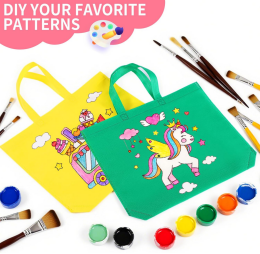
Ideal Uses: - Daily use: Shopping bags, gift bags, promotional tote bags, disposable dust covers, and food packaging (non-direct contact). - Commercial use: Exhibition bags, product outer packaging, temporary storage bags, and advertising printed bags. - Tips: Choose 30–60 gsm for lightweight disposable products, and 70–100 gsm for reusable bags (such as shopping bags and gift bags).
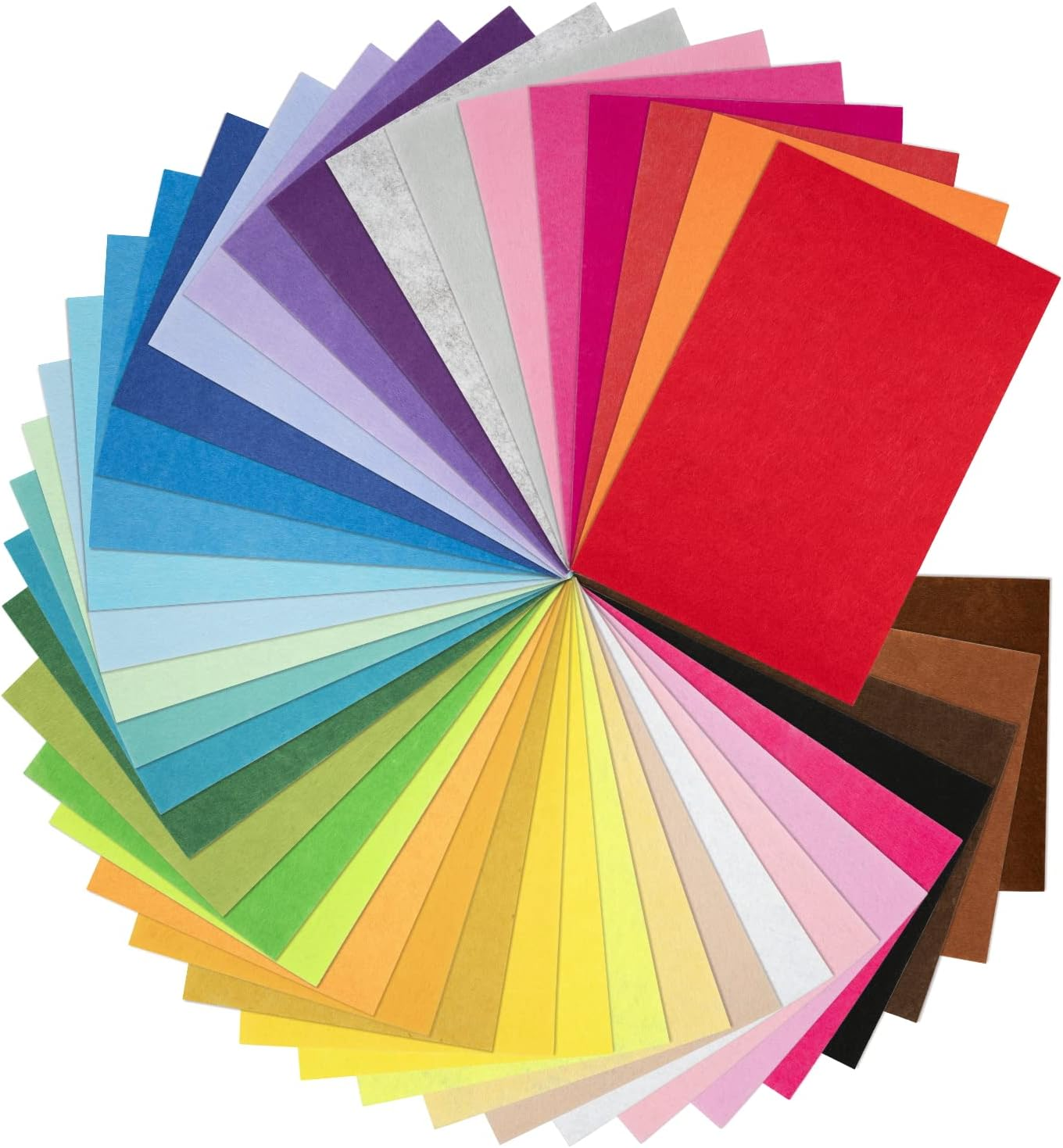
Felt (often made of non-woven wool or synthetic fibers) is known for its soft texture, good resilience, and excellent protection, making it perfect for scenarios that require both aesthetics and buffering.
Key Characteristics: Soft to the touch, thick and fluffy, good shock absorption and insulation, not easy to fade, and has a warm, premium texture. It is also washable and durable with proper care.
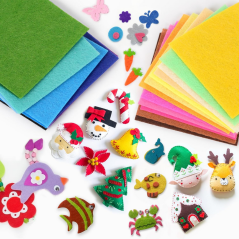
Ideal Uses: - Gift packaging: High-end gift boxes, wine packaging, jewelry bags (to prevent scratches on items). - Crafts & home decoration: Felt dolls, coasters, table mats, wall decorations, and fabric decorations. - Protection: Electronic product linings, instrument packaging, and furniture foot pads (to avoid scratches and reduce noise).



.jpg)
.jpg)
.jpg)
.jpg)